Industries
Healthcare & Life Sciences
EMR/EHR, LIMS and clinical workflow systems, interoperability, secure records and AI for hospitals, diagnostics, pharma and life sciences organizations.
Who we serve
Built for the bedside and the regulator at the same time.
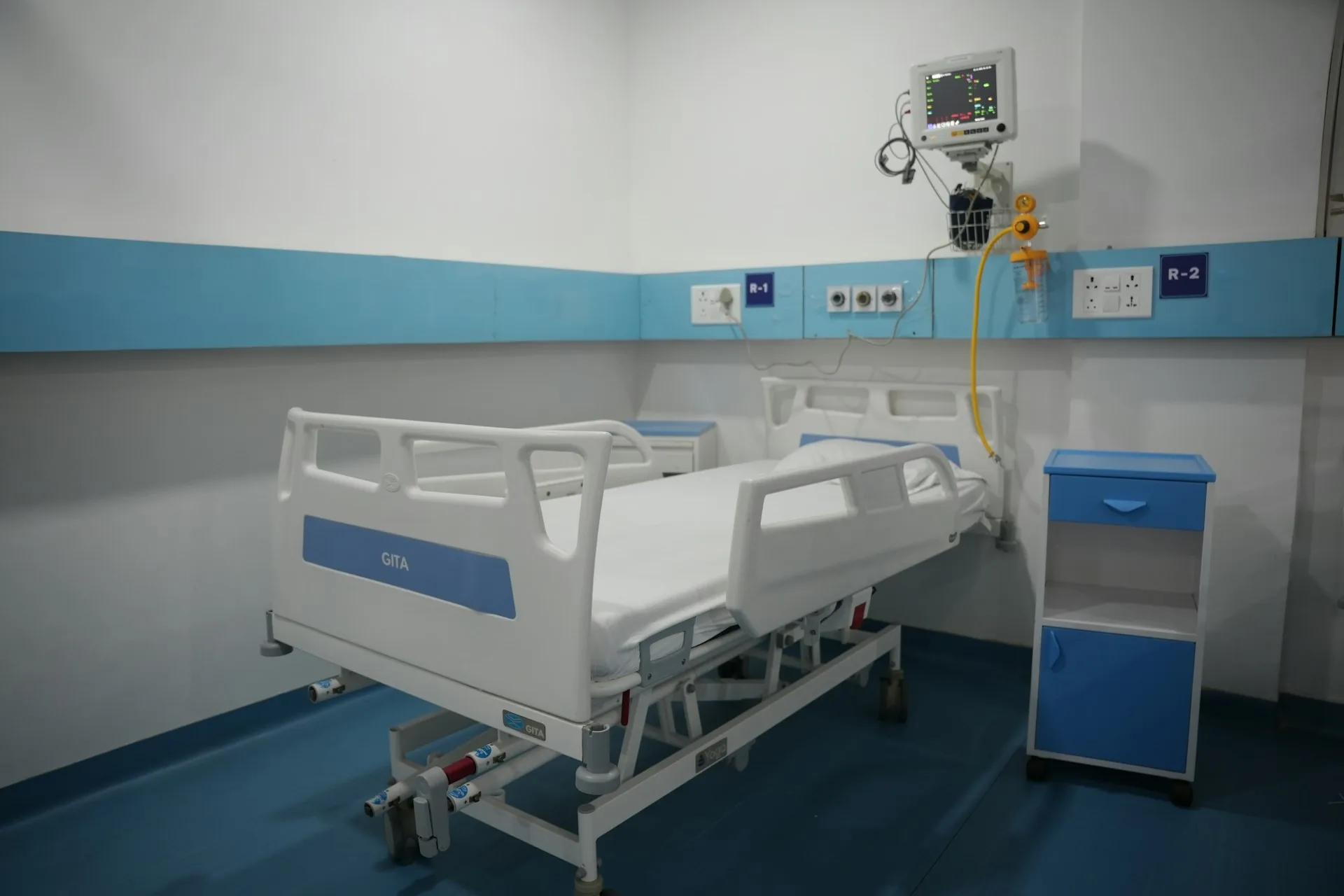
Hospital IT directors, clinical informatics leads and life sciences technology teams share a common constraint: the system has to work for clinicians at the bedside and hold up under patient-privacy regulation at the same time. Cystem X builds and secures the systems that sit behind that requirement, from the EMR/EHR to the laboratory and the research computing environment.
Electronic medical and health record platforms, laboratory information management systems and clinical workflow tools rarely stand alone. Our Software Engineering practice builds the interoperability layers that let these systems exchange patient, order and results data reliably, reducing the manual re-entry that slows clinical staff and introduces transcription risk.
Patient data is the most sensitive data most organizations hold. Our Cybersecurity practice applies zero-trust access controls, encryption and continuous monitoring to clinical and research environments, and our Cloud & Infrastructure practice can deliver that environment on-premises or in a private cloud when institutional policy or local regulation requires patient data to stay inside your own walls.
Diagnostics, imaging and life sciences teams are experimenting with AI faster than governance structures can keep up. Our AI & Generative AI practice builds computer-vision and predictive models for diagnostic and research workflows, and our AI Security & Trust practice adds the monitoring, evaluation and documentation a clinical governance committee needs before a model earns a place in a care pathway.
Behind all of it sits data engineering: registries, research data warehouses and analytics platforms that have to stay accurate, auditable and available, built through our Data & Databases practice.
What we deliver
Six delivery steps from the clinical system of record to the research data warehouse.
Interoperability
Integration across EMR/EHR, LIMS and clinical workflow systems, through Software Engineering.
Zero-trust security
Encrypted access controls for patient and research data, via Cybersecurity.
In-house hosting
On-premises or private-cloud hosting where patient data must stay in-house, via Cloud & Infrastructure.
Diagnostic AI
Computer-vision and predictive models for diagnostic and research workflows, through AI & Generative AI.
Clinical AI governance
Model monitoring, evaluation and documentation for clinical AI, via AI Security & Trust.
Research data platforms
Governed data warehouses, registries and analytics platforms, via Data & Databases.
Capability depth by area
A directional view of where our delivery focus runs deepest in this sector, not a performance claim.
Who we build for
Three roles inside the same institution, each with a different first question.
Hospital IT director
Asks whether a new system will stay up, integrate with the EMR/EHR without a disruptive cutover, and pass the next security review.
Clinical informatics lead
Asks whether the workflow actually fits how clinicians work at the bedside, and whether an AI tool is documented well enough for a safety committee to approve it.
Life sciences research computing lead
Asks whether research compute and data storage can scale without breaching grant terms, ethics approvals or institutional data residency policy.
Related reading
Where to go next for security, AI and engineering depth.
Service
Cybersecurity
Zero-trust access controls and continuous monitoring for patient and research data.
Learn moreService
Software Engineering
Interoperability and custom platforms built around existing EMR/EHR and LIMS systems.
Learn moreArticle
Running LLMs on-premises: a reference architecture for regulated organizations
Hardware sizing, serving layer and security zones for environments where patient data cannot leave the building.
Read article