
Insights · Cybersecurity
Identity is the new perimeter: IAM, PAM and MFA done properly
By the Cystem X Engineering Team - Published - 5 min read
In this article
When applications live in many clouds and staff work from anywhere, the network edge no longer separates trusted from untrusted. What remains constant is the identity making a request. That makes identity infrastructure one of the most valuable targets in an organization and one of the most important things to build well.
Know every identity you have
Start with an inventory: employees, contractors, service accounts, application registrations, API keys and machine identities. Non-human identities usually outnumber people and are less governed.
For each, record an owner, a purpose and the systems it can reach. Orphaned and unused accounts are an easy way in and an easy win to remove.
Make authentication resistant to phishing
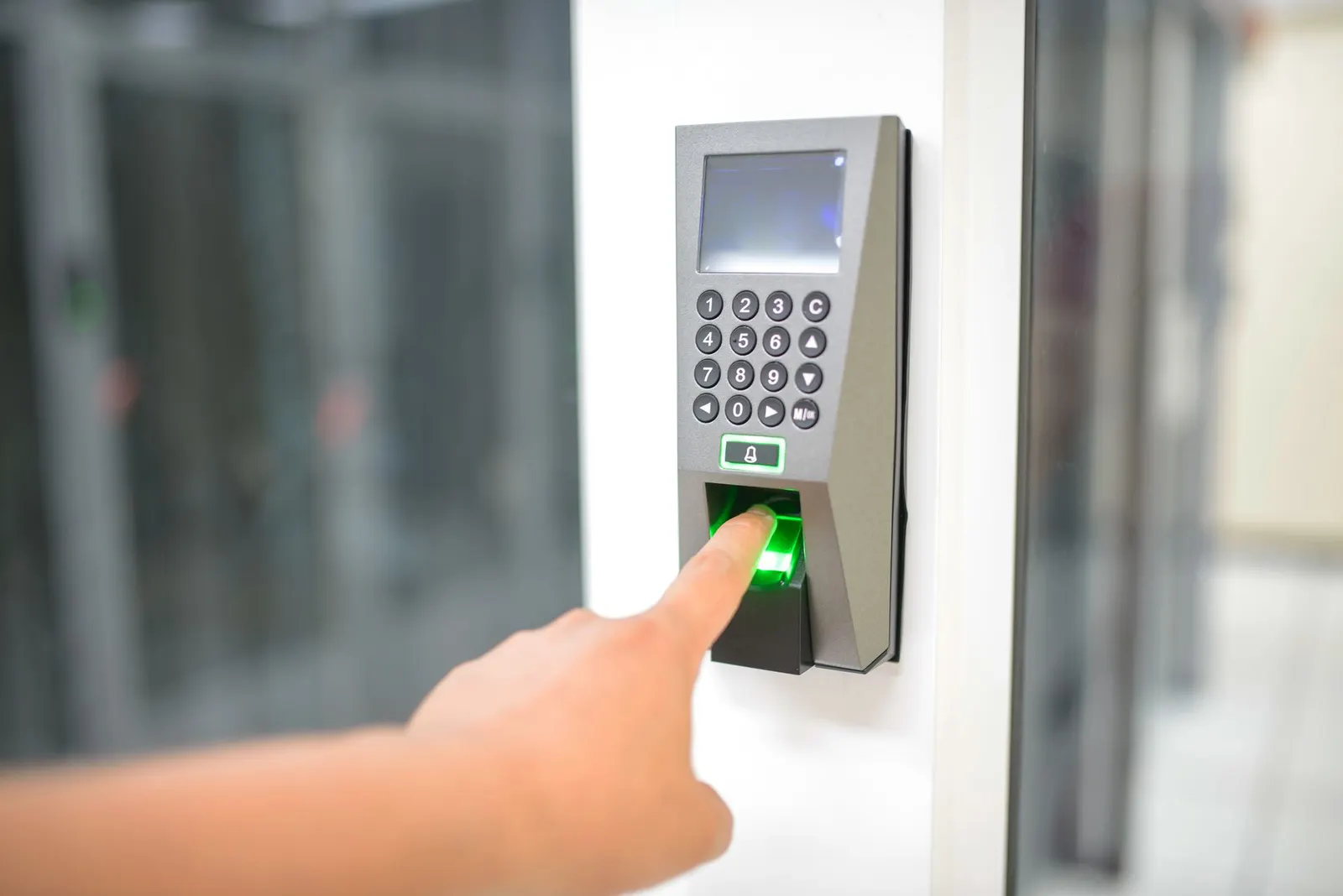
Passwords and one-time codes can be stolen by convincing fake sites. Phishing-resistant methods, such as FIDO2 security keys and passkeys, bind authentication to the legitimate site and defeat that attack. Prioritize them for administrators and anyone with access to sensitive data.
Do the work on recovery paths too. An attacker who cannot beat the strong factor will try the help desk or the reset flow.
Protect the identity system like the crown jewels, because to an attacker it is.

Govern the lifecycle
Identity governance ensures people have the right access at the right time. Automate joiner, mover and leaver processes from the authoritative HR source so access changes when roles change.
Run periodic access reviews with managers who can actually judge what is needed, and make revocation easy. Accumulated permissions are one of the most common weaknesses in mature organizations.
Control privileged access
Privileged accounts can change or destroy systems. Vault credentials, require approval or just-in-time elevation, record sessions and remove standing administrative rights from daily-use accounts.
Separate administrative accounts from email and browsing accounts, so a phished daily account cannot be turned into domain control.
Secure machine identities
Service accounts, tokens and certificates need rotation, scoping and monitoring. Prefer short-lived credentials issued to workloads over long-lived secrets stored in code or configuration files.
Use a secrets manager and scan repositories for exposed credentials. A leaked token is often found by attackers before defenders notice.
Use context in access decisions
Conditional access evaluates signals such as device health, location, behavior and risk level before granting access. It allows low-friction access in normal conditions and step-up challenges when something looks unusual.
Log decisions centrally and watch for anomalies such as impossible travel, mass consent grants and unusual privilege changes.

Monitor your identity provider
The identity provider itself needs hardening, monitoring and a tested recovery plan. Alert on new administrators, changes to authentication policy, federation changes and token anomalies.
Treat it as tier-zero infrastructure with the strictest controls in the estate.
Key takeaways
- Inventory human and machine identities and assign owners.
- Use phishing-resistant authentication for privileged and sensitive access.
- Automate joiner, mover and leaver processes and review access regularly.
- Vault and time-limit privileged access and separate admin accounts.
- Harden and monitor the identity provider as tier-zero infrastructure.
Sources and further reading
This article reflects general practice and publicly available guidance. Teams should consult primary sources, including NIST SP 800-63 on digital identity guidelines, the FIDO Alliance specifications, and CISA guidance on phishing-resistant MFA, and adapt the guidance to their own environment, risk appetite and legal obligations.
Keep reading
More engineering guidance from the Cystem X team.
Cybersecurity
A realistic zero trust roadmap, grounded in NIST SP 800-207
Phase identity, devices, network and data work into a roadmap that survives contact with legacy systems.
Read articleCybersecurity
A ransomware resilience playbook: prevent, contain, recover
Reduce entry points, limit spread, protect backups and rehearse recovery.
Read articleCybersecurity
Incident response readiness: preparing before the incident
Plans, roles, tooling, communications and exercises: what to have in place before the call comes.
Read articleIdentity & Zero Trust
Put identity at the center of your security plan.
Our engineers design and implement identity, privileged access and authentication programs that work with your existing systems.
Explore Identity & Zero Trust