
Insights · Cybersecurity
A realistic zero trust roadmap, grounded in NIST SP 800-207
By the Cystem X Engineering Team - Published - 5 min read
In this article
Zero trust is often presented as a product category or a slogan. NIST SP 800-207 describes it more usefully: an approach in which no request is trusted because of where it originates, and access to each resource is decided by policy that considers identity, device and context. That definition leads to a roadmap, and a roadmap leads to results.
What zero trust actually changes
Traditional designs placed a hard boundary around a soft interior. Once inside, a user or an attacker could move freely. Zero trust removes that implicit trust and evaluates each access request, using signals about the user, the device, the resource and the request itself.
The shift is conceptual before it is technical. Teams should agree on the protect surface, meaning the data, applications, assets and services that matter most, because the roadmap starts there.
Know your protect surface
Begin with a small number of critical resources rather than the entire estate. For each, document who needs access, from which devices, for what purpose, and what flows between systems. Transaction flow mapping often reveals undocumented dependencies that would otherwise break when controls are tightened.
This inventory is the foundation. Without it, policy is guesswork and exceptions pile up.
Zero trust is a set of decisions about access, not a box you install.
Strengthen identity first
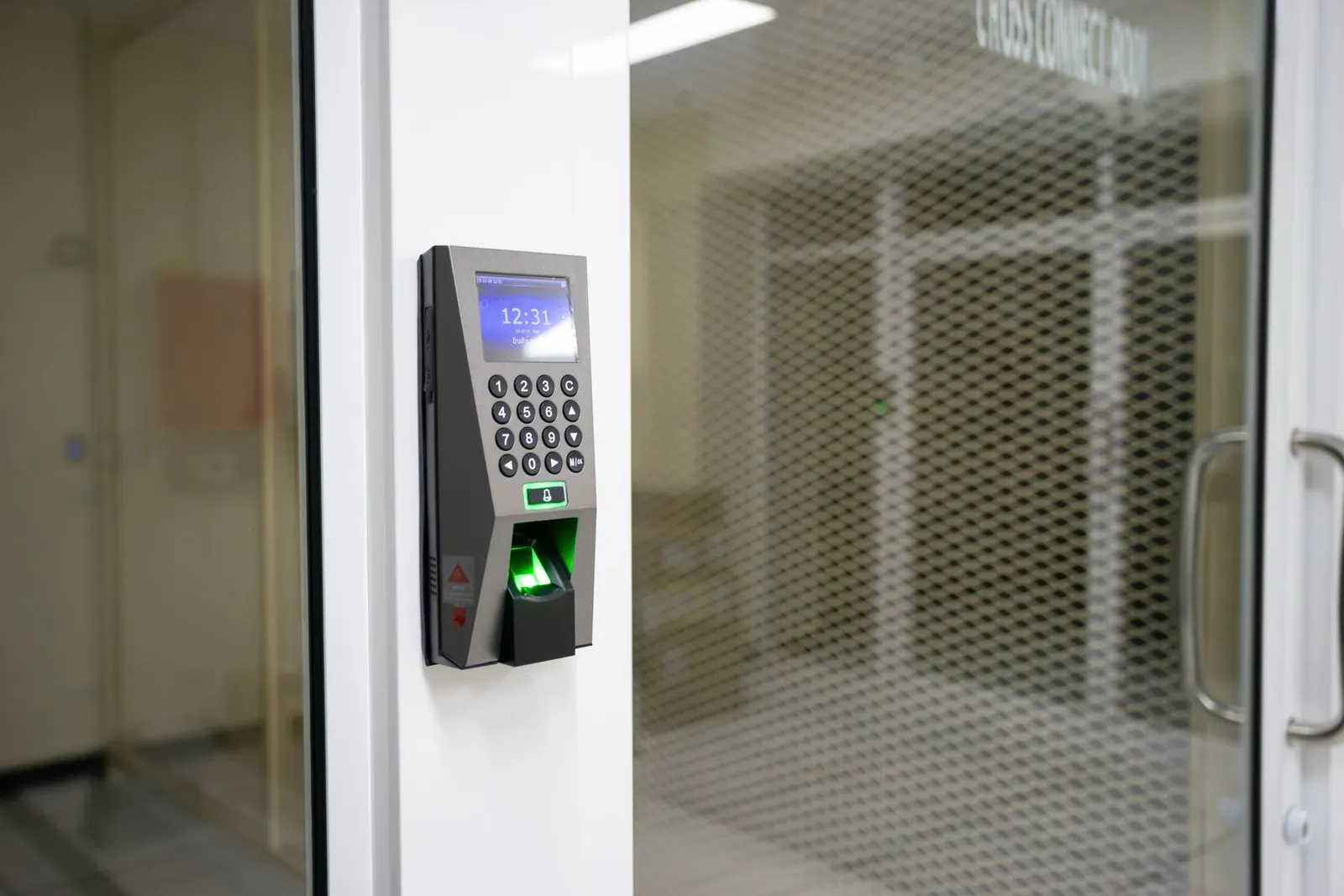
Identity is the most reusable control. Enforce strong, phishing-resistant authentication for all users, remove shared and unmanaged accounts, and bring privileged access under tighter control with just-in-time elevation and session recording.
Service accounts and workload identities deserve equal attention. They are numerous, long-lived and often over-privileged, which makes them a favorite target.
Bring devices into the decision
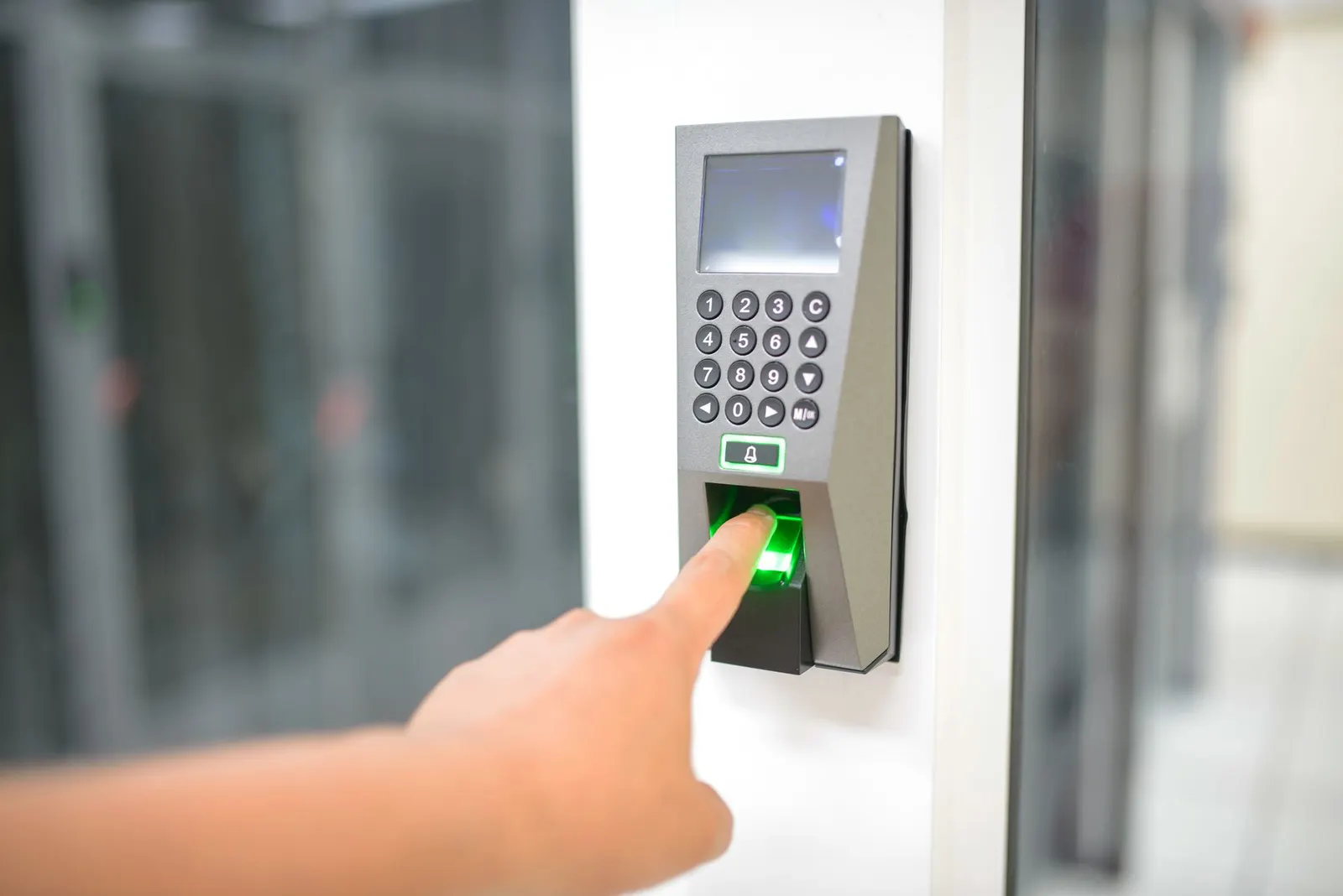
Access decisions should consider device health: is it managed, patched, encrypted and running endpoint protection? Start by observing posture and reporting it, then enforce for sensitive resources once the data is trustworthy.
Plan for unmanaged and personally owned devices with reduced access, such as browser-isolated sessions, rather than treating them as all-or-nothing.
Segment and broker access
Replace broad network connectivity with application-level access through identity-aware proxies or gateways, and use microsegmentation to limit east-west movement between workloads. Both reduce the blast radius of a compromised account.
Legacy applications that cannot participate can be placed behind a gateway and monitored closely while a replacement plan is developed.
Make policy visible and testable
A central policy decision point only helps if policies are understandable. Write rules in plain language first, then implement and test them, and log every decision. Run in monitor mode before enforcement so you can see what would break.
Logging and analytics complete the loop. Continuous monitoring of access patterns is how a zero trust architecture detects misuse after access has been granted.

Sequence the roadmap
A practical order is: inventory and protect surface, strong authentication, privileged access, device posture, application access brokering, segmentation, then data-centric controls. Each phase should have a measurable outcome and a named owner.
Revisit the plan every quarter. Zero trust is a program that matures, and a roadmap that cannot change will be abandoned.
Key takeaways
- Define the protect surface before choosing technology.
- Start with phishing-resistant authentication and privileged access.
- Use device posture in decisions, observing before enforcing.
- Broker application access and segment workloads to limit lateral movement.
- Run policy in monitor mode first, log all decisions and review the roadmap quarterly.
Sources and further reading
This article reflects general practice and publicly available guidance. Teams should consult primary sources, including NIST SP 800-207 on zero trust architecture, the CISA Zero Trust Maturity Model, and NIST SP 800-63 on digital identity, and adapt the guidance to their own environment, risk appetite and legal obligations.
Keep reading
More engineering guidance from the Cystem X team.
Cybersecurity
Identity is the new perimeter: IAM, PAM and MFA done properly
When the network boundary fades, identity carries the weight. Getting IAM, PAM and MFA right.
Read articleCybersecurity
Penetration test, red team or purple team: which do you need?
Three engagements, three different questions. How to choose the one that answers yours.
Read articleCybersecurity
Detection engineering: building and measuring MITRE ATT&CK coverage
Treat detections like software: hypothesis, data, tests, tuning and an honest view of coverage.
Read articleIdentity & Zero Trust
Plan your zero trust program with engineers who build it.
We assess your current state and deliver a phased roadmap and implementation across identity, devices and networks.
Explore Identity & Zero Trust