
Insights · Data
Time-series and IoT telemetry platforms: ingestion, storage and analysis
By the Cystem X Engineering Team - Published - 5 min read
In this article
Sensors, machines and vehicles generate continuous streams of timestamped data. Handling it well means choosing the right protocols, storing data efficiently, making sense of volume and keeping devices secure. A telemetry platform that does this well supports monitoring, analytics and predictive maintenance.
Understand the data
Telemetry is high-volume, append-mostly and ordered by time. Characterize sampling rates, device counts, payload sizes, retention needs and query patterns, such as recent values, aggregates over windows and comparisons across devices.
These numbers drive every design choice.
Pick transport and protocols
Lightweight protocols such as MQTT suit constrained devices and unreliable networks, while industrial settings add OPC UA and other fieldbus gateways. Use a broker with persistence, authentication and quality of service levels.
Plan for devices going offline and sending buffered data later.
Collect what you can use, summarize what you can, and secure every device that speaks.
Process at the edge
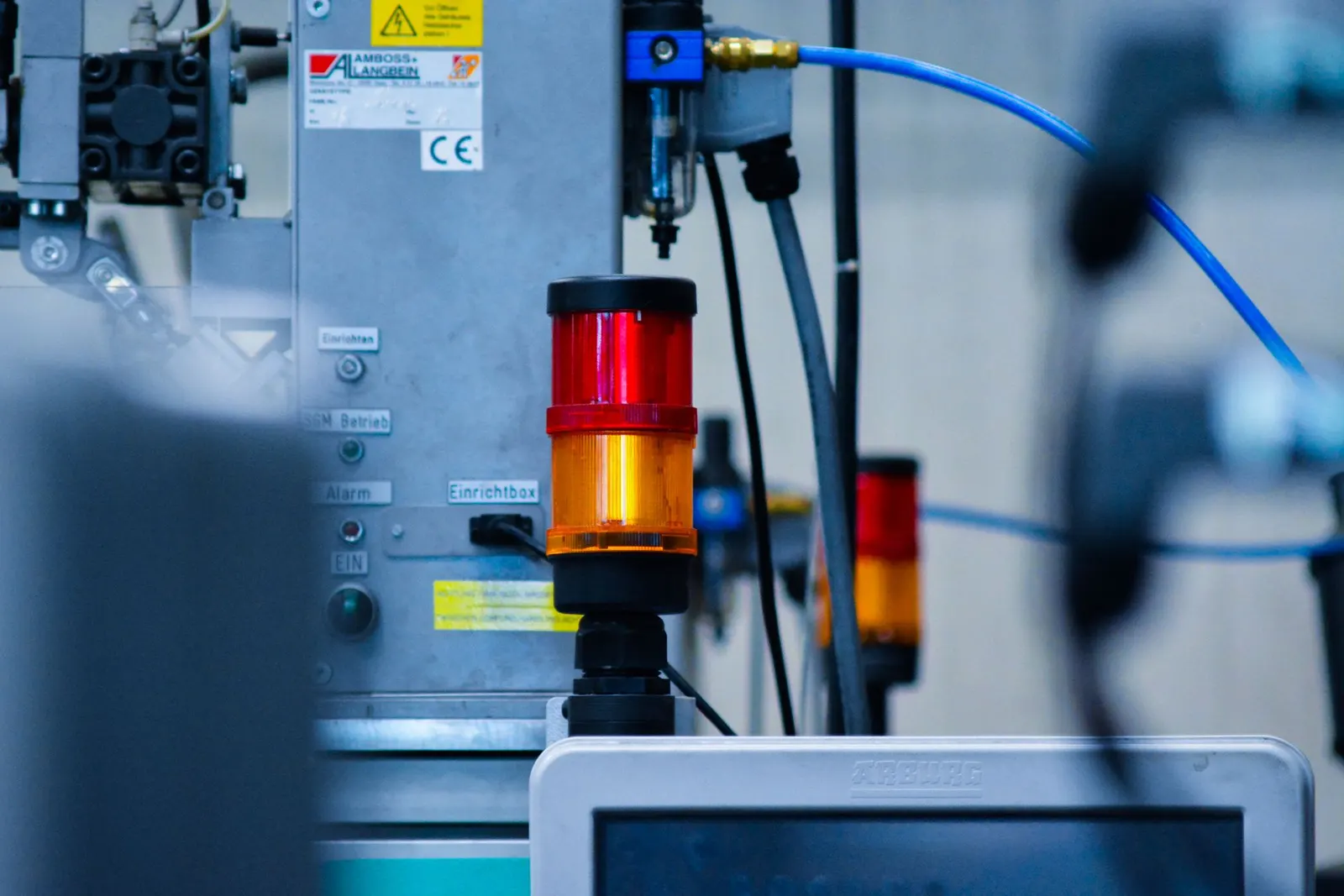
Edge gateways can filter, aggregate and compress data close to the source, reducing bandwidth and cost, and enabling local decisions when connectivity is lost. Keep configuration managed centrally and software updates signed.
Decide what raw data must reach the center and what can be summarized.
Ingest reliably
Use a streaming layer to buffer bursts and decouple devices from storage. Handle late and out-of-order data, duplicates and schema changes. Validate and enrich records with device metadata on the way in.
Monitor ingestion lag and dropped messages.
Store efficiently
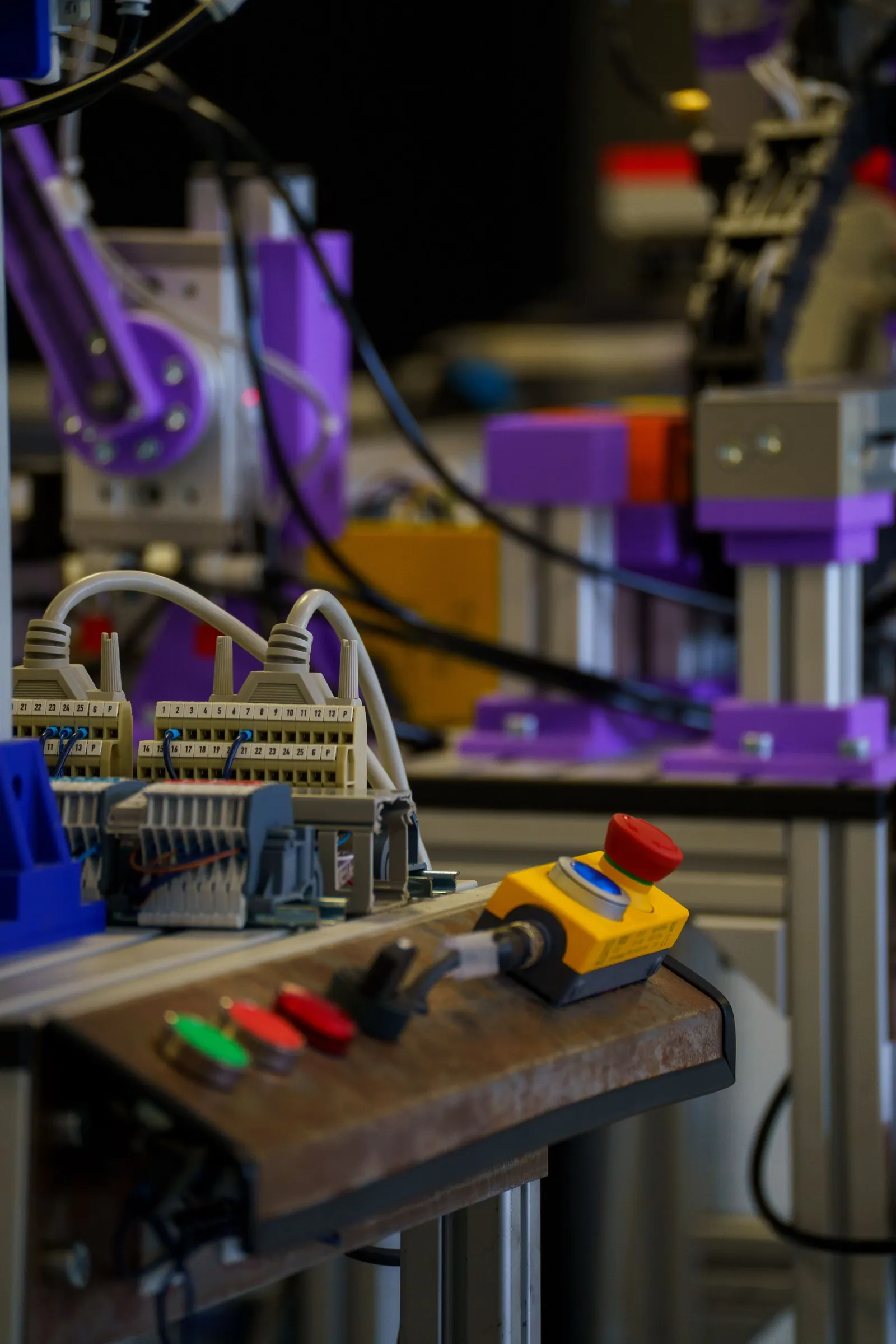
Time-series databases and columnar stores compress timestamped data well and support fast range queries and aggregation. Partition by time, apply retention policies and downsample older data to lower resolution to control cost.
Keep raw data in cheap object storage for reprocessing if needed.
Analyze and alert
Dashboards give operators a live view, while rules and models detect anomalies, thresholds and trends. Predictive maintenance models use historical patterns to flag likely failures.
Tune alerts to avoid noise, and tie each to an action.
Secure devices and data
Give each device a unique identity with certificates, encrypt communication, segment device networks and manage firmware updates securely. Monitor for unusual device behavior.
Treat the telemetry platform as part of the operational technology attack surface.
Key takeaways
- Characterize rates, retention and query patterns first.
- Use lightweight protocols and design for intermittent connectivity.
- Filter and aggregate at the edge to control cost.
- Store with time partitioning, retention and downsampling.
- Give every device a strong identity and manage updates securely.
Sources and further reading
This article reflects general practice and publicly available guidance. Teams should consult primary sources, including the MQTT and OPC UA specifications, the documentation of your time-series database and NIST guidance on IoT device security, and adapt the guidance to their own environment, risk appetite and legal obligations.
Keep reading
More engineering guidance from the Cystem X team.
Data
Streaming data pipelines with Kafka and change data capture
When streaming is worth it, and the design decisions that keep Kafka and CDC pipelines reliable.
Read articleData
Dimensional modeling or data vault: choosing a warehouse design
Star schemas for consumption, Data Vault for integration: how to choose and combine them.
Read articleData
PostgreSQL high availability: replication, failover and backups that restore
Streaming replication, automated failover, pooling and tested backups for resilient PostgreSQL.
Read articleStreaming Data Pipelines
Turn sensor data into operational insight.
We design secure telemetry platforms from the edge to analytics.
Explore Streaming Data Pipelines