
Insights · Government & Defense
Digital twins and simulation: building realistic training and planning environments
By the Cystem X Engineering Team - Published - 5 min read
In this article
A digital twin is a virtual representation of a real asset, process or environment, kept in step with the real thing through data. Combined with simulation, twins let organizations train people, rehearse operations and test changes without risk to real systems, which is valuable where mistakes are costly or dangerous.
Define the purpose first
Twins serve different goals: operator training, what-if planning, design validation, predictive maintenance or rehearsal of emergency response. Purpose determines what must be modeled and to what accuracy.
A twin built to do everything usually does nothing well.
Choose the right fidelity
Higher fidelity costs more to build and run. Training for procedures may need accurate interfaces and consequences but not precise physics, while engineering analysis needs rigorous models. Match fidelity to the decisions the twin supports.
Document assumptions and limits so users know what the twin can and cannot show.
A good twin is built for a decision, not for its own sake.
Integrate real data
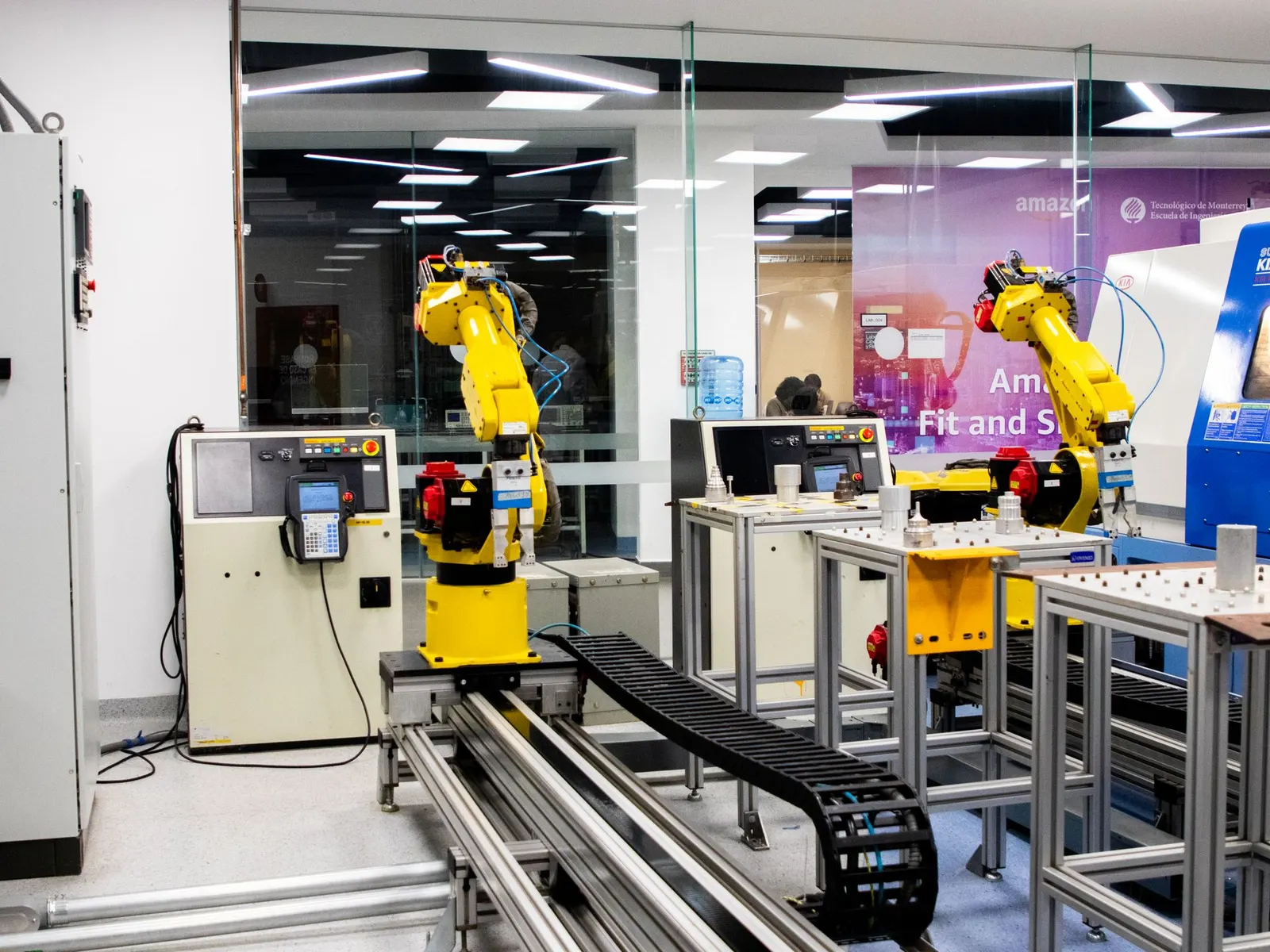
Live twins connect to sensors, control systems and enterprise data to mirror real state. Build clean interfaces and a common data model, and handle delays, gaps and bad readings.
For training, recorded or synthetic data may be safer and more repeatable than live feeds.
Build scenarios that teach
Effective training uses realistic scenarios with clear objectives, escalating difficulty, injected faults and measurable outcomes. Instructors need tools to pause, branch and replay, and to review decisions with trainees.
Capture performance data to improve both trainees and scenarios.
Validate the model
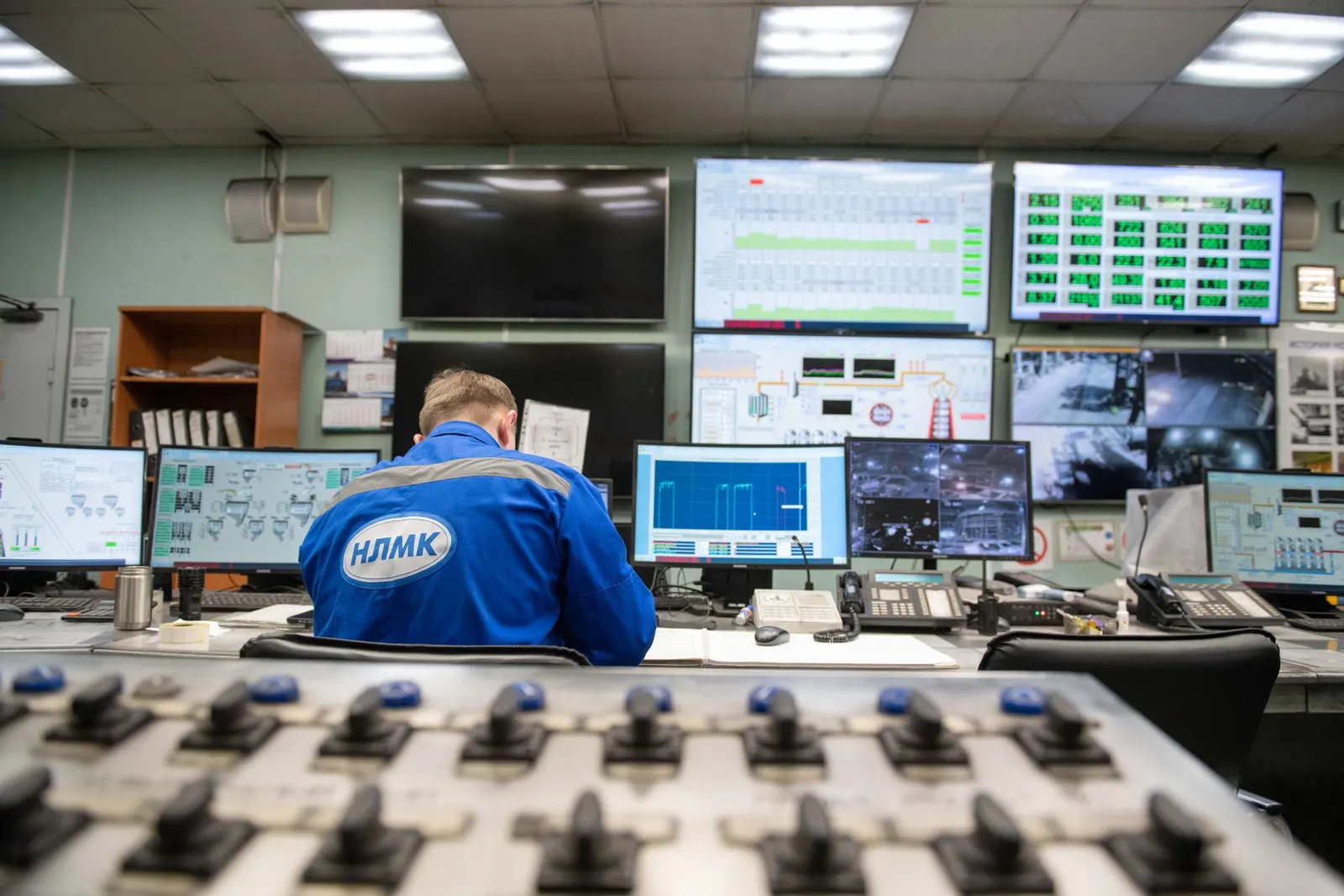
Compare simulation results with real-world data and expert judgment, and test edge cases. Track model versions and keep records of validation so results can be trusted and audited.
Revalidate when the real system changes.
Use standards and open architecture
Interoperability standards for simulation and for digital twin frameworks, such as those in the ISO digital twin work for manufacturing, make it easier to connect components and avoid lock-in. Use modular designs so models can be replaced or combined.
Plan the lifecycle: updates, ownership and retirement.
Protect the environment
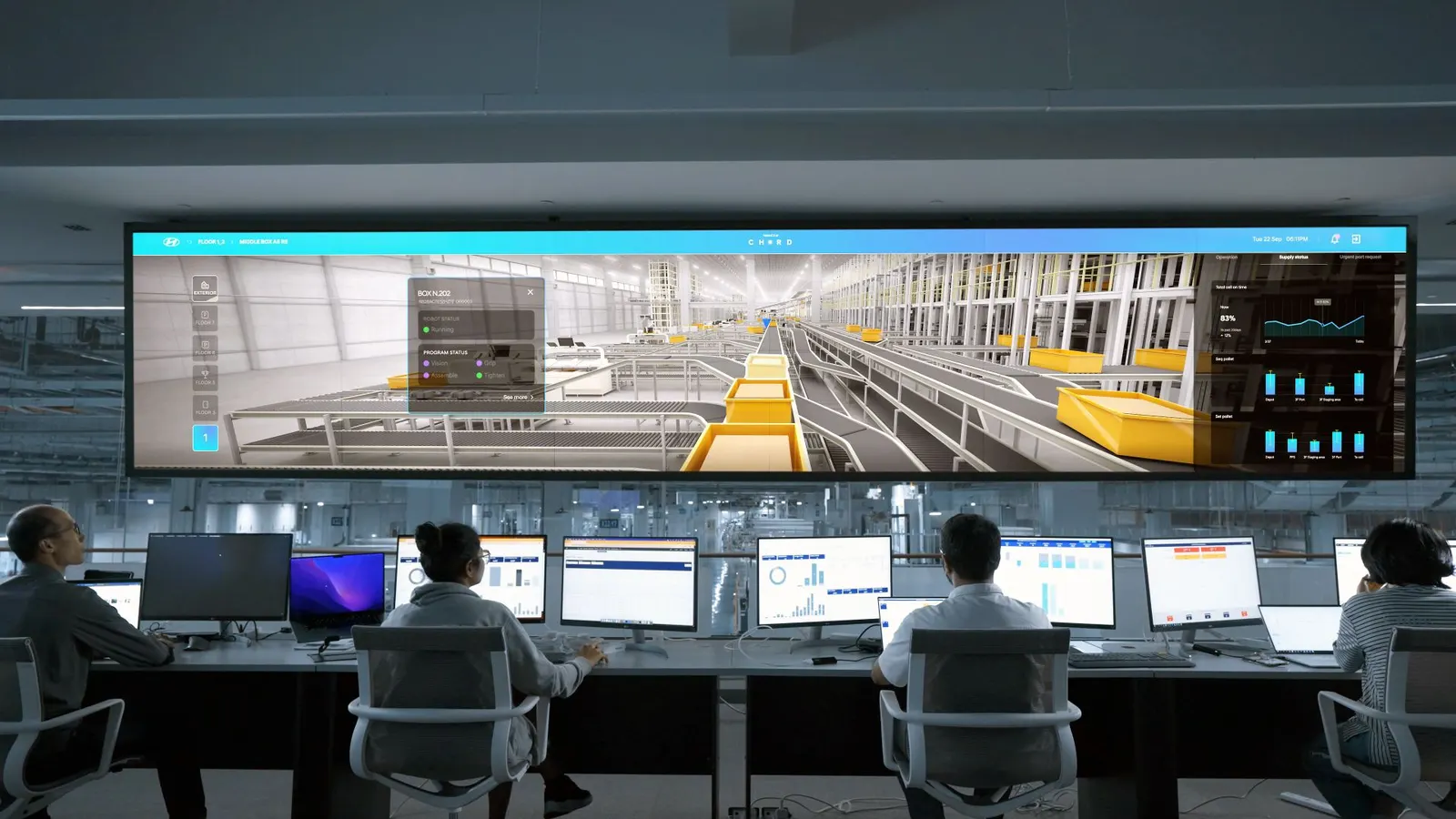
Twins can contain sensitive design and operational data. Apply access control, network segmentation, encryption and monitoring, and separate training environments from live control systems. Consider air-gapped deployment for sensitive programs.
Treat the twin as a system that needs its own security assessment.
Key takeaways
- Define the decision or training goal before modeling.
- Match fidelity to purpose and document assumptions.
- Integrate data cleanly and use synthetic data for repeatable training.
- Design scenarios with objectives, faults and measurement.
- Validate models and secure the twin like any critical system.
Sources and further reading
This article reflects general practice and publicly available guidance. Teams should consult primary sources, including the ISO 23247 framework for digital twins in manufacturing and the documentation of your simulation platforms, and adapt the guidance to their own environment, risk appetite and legal obligations.
Keep reading
More engineering guidance from the Cystem X team.
Government & Defense
Building digital government platforms: shared services, identity and trust
Shared services, digital identity, interoperability and security by design for public sector platforms.
Read articleGovernment & Defense
Secure messaging design: end-to-end encryption and what it does not protect
End-to-end encryption, key management, metadata and compliance: design choices for secure messaging.
Read articleGovernment & Defense
OT and ICS security: applying IEC 62443 and the Purdue model
Visibility, zones and conduits, remote access and monitoring for industrial and critical infrastructure systems.
Read articleSimulation & Training
Build training and planning environments that work.
We develop simulation and digital twin platforms for training, planning and testing.
Explore Simulation & Training