
Insights · Government & Defense
Secure messaging design: end-to-end encryption and what it does not protect
By the Cystem X Engineering Team - Published - 5 min read
In this article
End-to-end encryption means only the communicating devices can read a message, not the servers that carry it. It is a powerful guarantee, but it is not the whole of secure communications. Metadata, device security, group membership and compliance obligations all shape whether a messaging system is actually fit for sensitive use.
What end-to-end encryption guarantees
Messages are encrypted on the sender device and decrypted only on recipient devices, so a compromise of the server or network does not reveal content. Modern protocols add forward secrecy, which protects past messages if a key leaks later, and post-compromise security, which restores protection after a device recovers.
The guarantee depends on correct implementation and on users verifying they are talking to the right party.
Choose proven protocols
Use well-reviewed protocols such as the Signal protocol, or the Messaging Layer Security standard for groups, implemented in audited libraries. Avoid custom cryptography.
Plan algorithm agility, including a path to post-quantum key exchange, since messaging may need long-term confidentiality.
Encryption protects the message. Identity, metadata and devices decide whether the system is secure.

Manage identity and keys
Trust begins with knowing who holds which key. Integrate with your identity provider, support key verification such as safety numbers or certificates, and handle device addition and removal securely. Define what happens when a device is lost.
Enterprise deployments often need controlled key escrow or recovery that must be balanced against the end-to-end guarantee.
Mind the metadata
Even with encrypted content, servers may see who talks to whom, when and how often. Reduce metadata through minimal logging, sealed sender techniques and careful design of presence, typing and delivery indicators.
Understand what your threat model includes. For some users, communication patterns are as sensitive as content.

Handle groups and collaboration
Group messaging is harder: membership changes must rotate keys so removed members lose access, and large groups need efficient key agreement. Files, voice and video should receive the same protection as text.
Search, archiving and bots interact awkwardly with end-to-end encryption and need explicit design.
Secure the endpoints
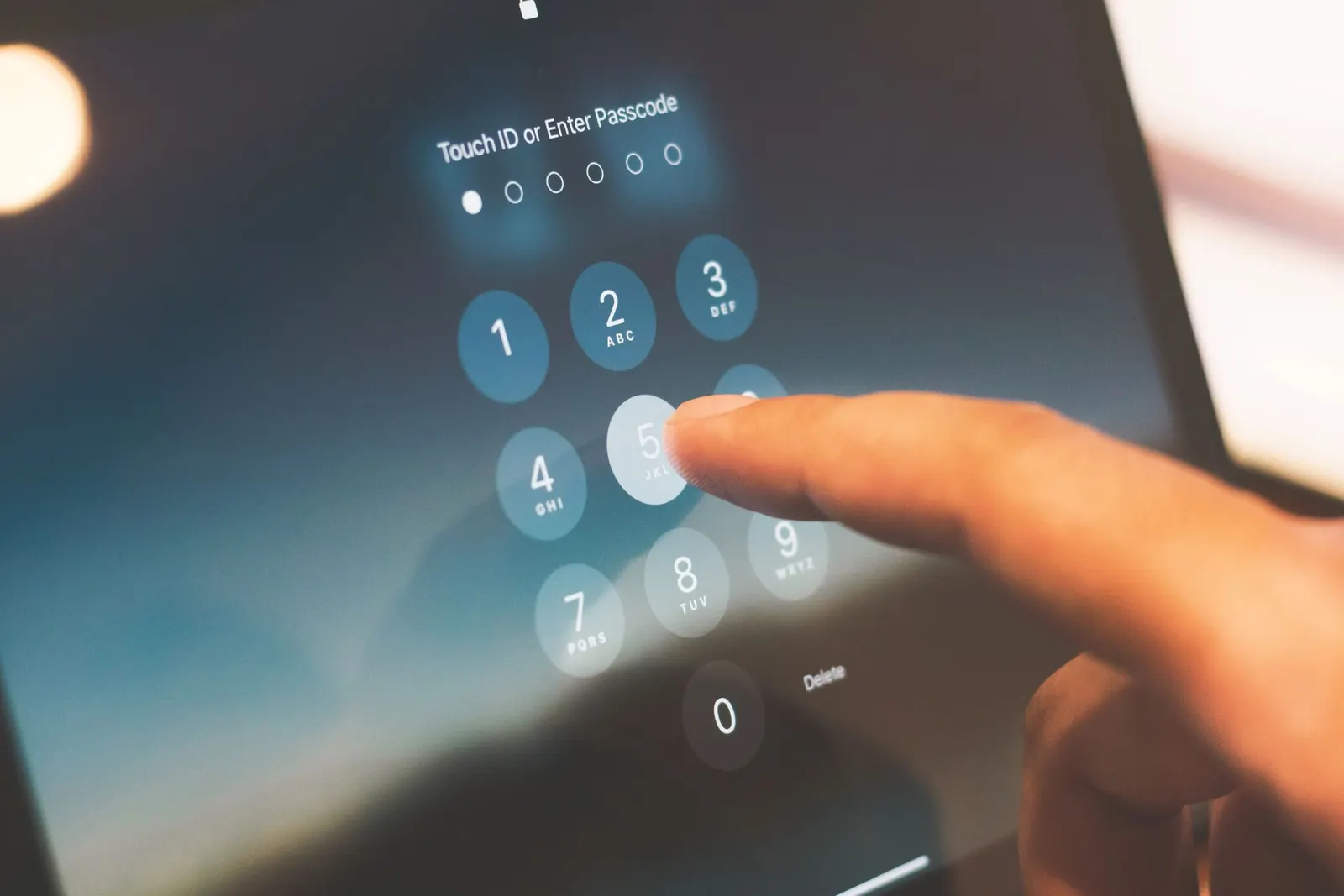
Encryption cannot protect a compromised device. Combine messaging with managed devices, screen lock, disk encryption, timely updates and mobile threat defense. Support disappearing messages and secure deletion where policy requires.
Train users on phishing and on verifying contacts.
Meet compliance and records requirements
Some sectors need retention, eDiscovery and supervision. Decide where those duties apply and design approved channels accordingly, rather than leaving staff to use unapproved apps.
Host the service in a jurisdiction and infrastructure that fit your sovereignty requirements, on-premises where necessary.
Key takeaways
- Use proven protocols such as Signal or MLS in audited libraries.
- Tie identity and key verification to your identity systems.
- Reduce metadata exposure and design for your threat model.
- Rotate keys on group membership changes.
- Secure endpoints and design for compliance up front.
Sources and further reading
This article reflects general practice and publicly available guidance. Teams should consult primary sources, including the IETF Messaging Layer Security specification (RFC 9420), the Signal protocol documentation and your national guidance on protecting official communications, and adapt the guidance to their own environment, risk appetite and legal obligations.
Keep reading
More engineering guidance from the Cystem X team.
Government & Defense
OT and ICS security: applying IEC 62443 and the Purdue model
Visibility, zones and conduits, remote access and monitoring for industrial and critical infrastructure systems.
Read articleGovernment & Defense
Digital twins and simulation: building realistic training and planning environments
Model fidelity, data integration and validation for twins that support training, planning and testing.
Read articleGovernment & Defense
Building digital government platforms: shared services, identity and trust
Shared services, digital identity, interoperability and security by design for public sector platforms.
Read articleSecure Communications
Design communications you can trust.
We build secure messaging and collaboration platforms for government and regulated organizations.
Explore Secure Communications