
Insights · Government & Defense
OT and ICS security: applying IEC 62443 and the Purdue model
By the Cystem X Engineering Team - Published - 5 min read
In this article
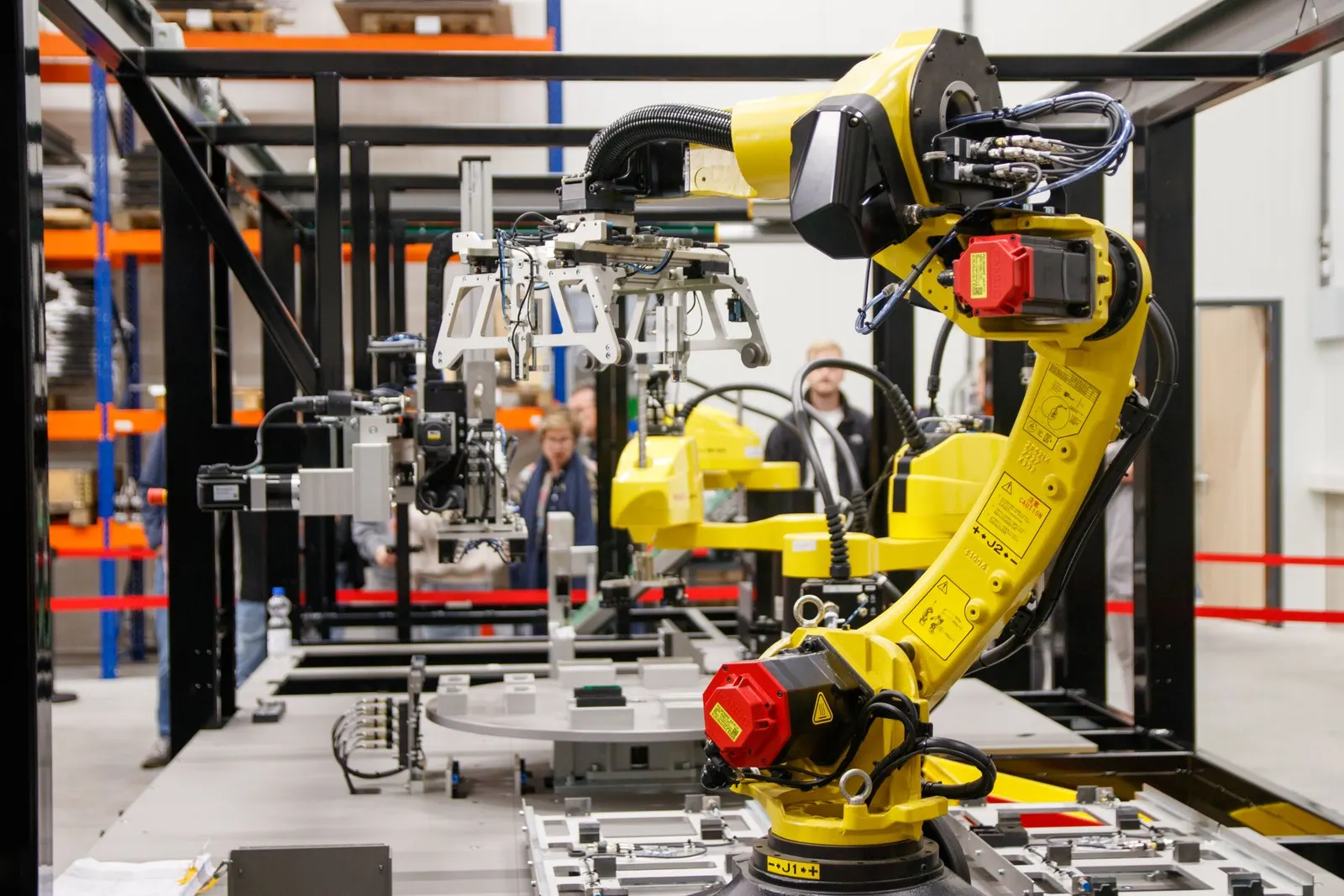
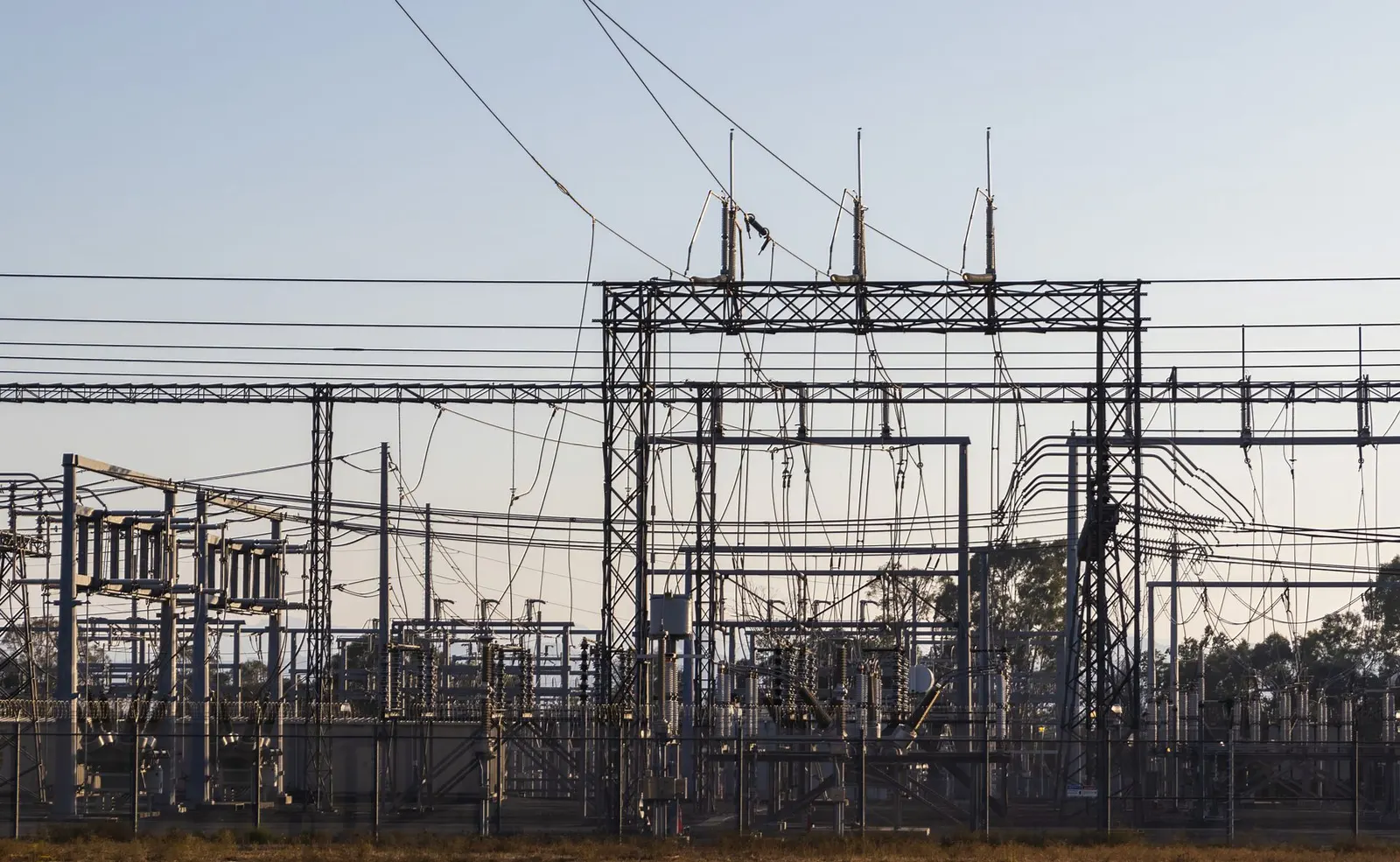
Operational technology runs power grids, water systems, factories and transport. Unlike office IT, its priorities are safety and availability, its equipment can run for decades and many devices cannot be patched or scanned freely. Securing it calls for approaches adapted to those realities. IEC 62443 and the Purdue reference model provide a structure.
Understand how OT differs
A failed update on a laptop is an inconvenience. A failed update on a controller can stop a process or create a safety hazard. Protocols often lack authentication, equipment life cycles are long and downtime windows are rare.
Security teams must work with engineers and operators, respecting safety systems and production constraints.
Gain asset visibility
You cannot protect what you cannot see. Build an inventory of controllers, sensors, HMIs, engineering workstations and network devices, with firmware versions and connections. Passive network monitoring discovers assets without disturbing sensitive equipment.
Keep the inventory current. OT environments change slowly, but undocumented changes accumulate.
In OT, safety and availability come first, and security must be designed to protect both.

Segment with zones and conduits
IEC 62443 organizes systems into zones of similar security needs, connected by controlled conduits. The Purdue model describes levels from field devices through control and supervisory layers up to enterprise systems, separated by a demilitarized zone.
Restrict traffic between zones to what the process requires, and inspect traffic crossing the boundary between IT and OT.
Secure remote access
Vendors and engineers often need remote access, and it is a frequent attack path. Use a central, monitored gateway with multi-factor authentication, time-limited sessions, approval workflows and session recording.
Remove permanent always-on connections and shared accounts.
Patch and mitigate pragmatically
Where patching is impractical, apply compensating controls: network isolation, application allow-listing, hardened configurations and monitoring. Plan patches for maintenance windows and test them on representative equipment first.
Prioritize vulnerabilities that are exposed and exploitable in your architecture.
Detect and respond
Deploy OT-aware monitoring that understands industrial protocols and baselines normal behavior, and integrate alerts with the SOC with clear escalation to plant operations. Prepare response plans that cover safe shutdown and manual operation.
Exercise those plans jointly with operations staff.
Build a program
Define roles, policies and risk assessments aligned with IEC 62443, including security requirements for suppliers and integrators. Include security in procurement and project design so new systems arrive with controls rather than needing retrofits.
Progress in stages, starting with visibility and the highest-risk connections.
Key takeaways
- Prioritize safety and availability when applying security controls.
- Build an asset inventory with passive discovery.
- Use zones, conduits and a DMZ between IT and OT.
- Control remote access with monitoring and time limits.
- Add compensating controls where patching is difficult and monitor with OT-aware tools.
Sources and further reading
This article reflects general practice and publicly available guidance. Teams should consult primary sources, including the IEC 62443 series, NIST SP 800-82 on industrial control systems security and guidance from CISA and national cyber authorities, and adapt the guidance to their own environment, risk appetite and legal obligations.
Keep reading
More engineering guidance from the Cystem X team.
Government & Defense
Secure messaging design: end-to-end encryption and what it does not protect
End-to-end encryption, key management, metadata and compliance: design choices for secure messaging.
Read articleGovernment & Defense
Building digital government platforms: shared services, identity and trust
Shared services, digital identity, interoperability and security by design for public sector platforms.
Read articleGovernment & Defense
Digital twins and simulation: building realistic training and planning environments
Model fidelity, data integration and validation for twins that support training, planning and testing.
Read articleCybersecurity
Secure industrial systems without disrupting them.
We assess and protect OT and ICS environments in energy, manufacturing and critical infrastructure.
Explore Cybersecurity